TyscendoraJS
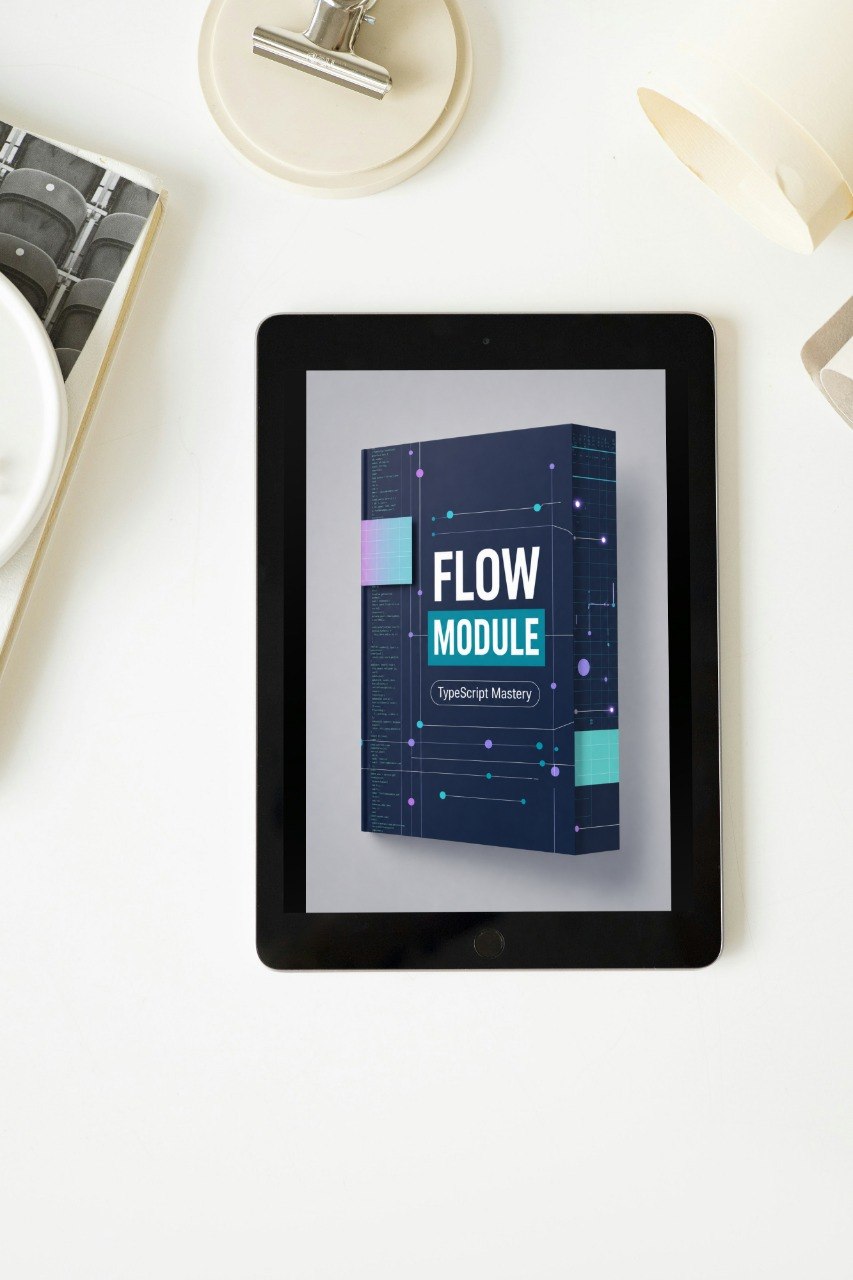
Flow Module
Flow Module
Couldn't load pickup availability
- 📁 Digital file available after purchase
- 🔄 Long-term availability
- 🛡️ Secure checkout
- 🗓️ Content updated in 2026
Self-paced learning overview
Problem Statement
Many learners understand TypeScript examples when each topic is shown separately, but they become unsure when the same ideas appear together. A value may begin in one place, move into a function, return in a new form, and then become part of another object or array. Without a clear way to follow that movement, typed code can feel difficult to read. Learners may also struggle to understand why one type choice affects later parts of the code.
Solution
Flow Module teaches learners to follow TypeScript structure from one step to the next. The materials explain how values, object shapes, function parameters, return types, and arrays connect inside a code flow. Instead of treating each topic as isolated, this tier shows how one type decision can support or complicate the next section of code.
What’s Inside
Inside Flow Module, learners receive structured materials focused on TypeScript flow and connected examples. The tier begins with a review of typed variables, objects, arrays, and functions, then shows how those pieces work together in small practical scenarios. Learners study examples where data is created, checked, passed into functions, returned, stored, and reused.
The materials explain how function inputs and outputs shape the rest of a code section. Learners explore how to type simple data changes, how to describe returned objects, and how to keep related values consistent. The tier also includes sections on object updates, arrays of typed items, simple filtering patterns, mapping-style thinking without naming specific tools, and basic guard-style checks.
Flow Module also introduces clearer reading habits for typed code. Learners are encouraged to trace a value from its first definition through each later use. This helps them notice mismatched types, missing fields, unclear function returns, and places where a type may be too broad.
Who is this for?
Flow Module is for learners who know TypeScript basics but want to understand how types behave across longer examples. It is suitable for people who feel comfortable with simple type annotations yet become unsure when functions, objects, and arrays interact. This tier is also helpful for learners who want to improve their ability to read typed code, trace data, and organize small code flows.
What You’ll Learn
• How typed values move through connected code sections
• How function parameters affect later code behavior
• How return types help describe output clearly
• How to trace data from creation to later use
• How object shapes can stay consistent across examples
• How arrays of typed items are handled in simple flows
• How to identify missing or mismatched fields
• How to plan input and output shapes before writing functions
• How to review connected TypeScript examples more carefully
• How to build clearer habits for typed code organization
Guarantee
Flow Module includes a 30-day money back option for eligible purchases according to the store refund policy. It is designed as a risk-free study step for learners who want to review the materials and decide whether this TyscendoraJS tier fits their learning needs.
What are the TyscendoraJS course tiers about?
What are the TyscendoraJS course tiers about?
TyscendoraJS course tiers are built around TypeScript learning guides, structured modules, practical examples, and review-friendly materials. Each tier focuses on helping learners understand typed code, project structure, reusable patterns, and cleaner development habits.
Do I need previous TypeScript knowledge before starting?
Do I need previous TypeScript knowledge before starting?
No advanced background is required for the earlier tiers. The course path begins with clear foundations, then gradually moves into deeper topics, stronger typing habits, and more detailed code organization.
How are the materials arranged?
How are the materials arranged?
The materials are arranged by tier, with each tier covering a focused learning stage. Learners can study the sections in order, revisit topics, and use the examples as reference points while practicing.